
Transparency
Good Shepherd Elementary School report 2023
Report by Agnes, Director of the Good Shepherd Elementary School, November 2023
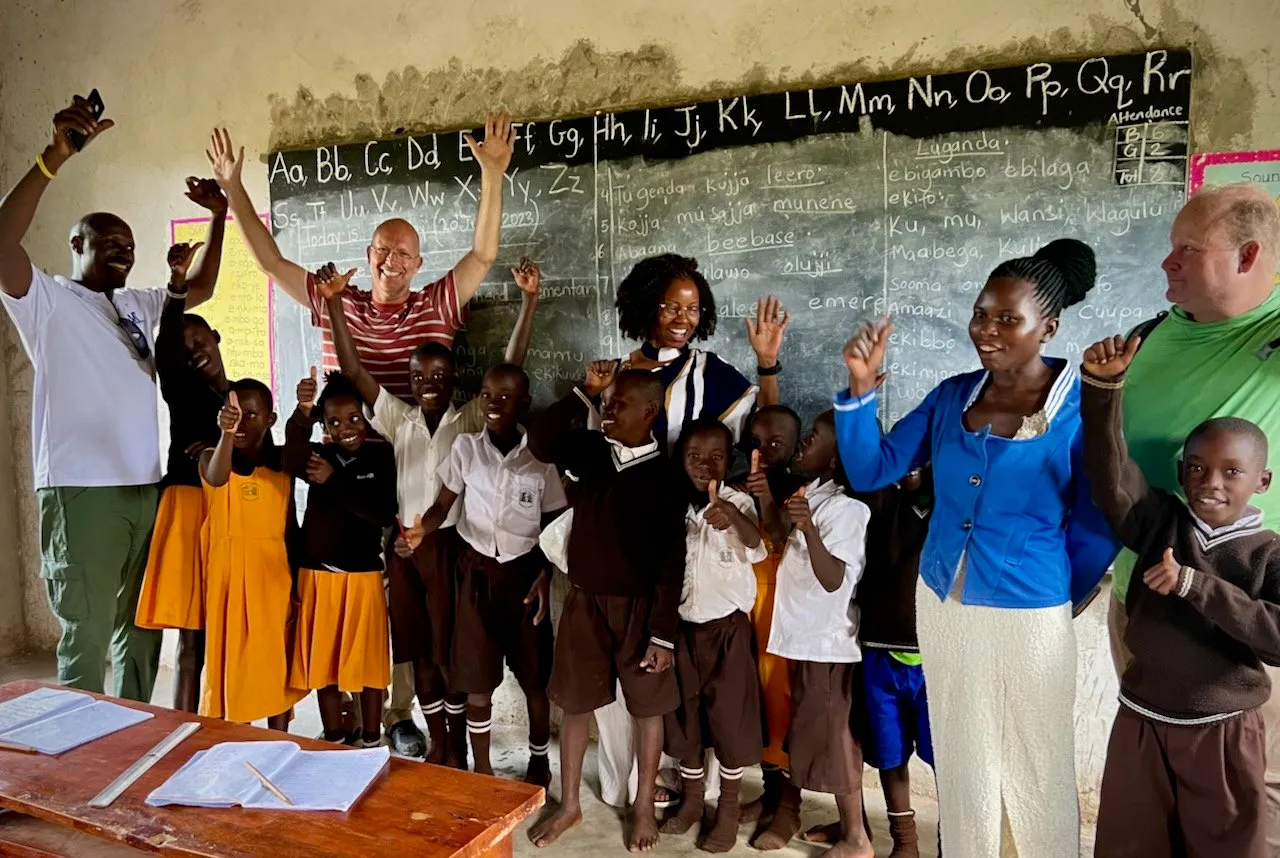
Good Shepherd Elementary School opened on the 5th of February 2023 with 33 children in the first term, and in the second term 11 more were enrolled, totalling 44 children now. Of the 44, five children are orphans.
At the moment we have admitted pre-school and infants from 3 to 10 years old. We have only four classrooms and all are in use, meaning we may lack classrooms as the children get promoted. All four classrooms have desks, which were donated by Okulaba.
Our children are taught how to read and write following the national curriculum guidelines. We also provide games like football, netball and volleyball. Okulaba, with the help of PUMA, donated four footballs and three sets of jerseys for three teams, which were delivered by Frank and Sophie when they visited us in June 2023. The Good Shepherd fraternity is so grateful to them.
We do music, dance and drama, and we bought two drums, the only musical instruments we have so far. Our children are taught how to grow and care for crops at a tender age, since it is the only way we can get vegetables to supplement our diet.
So far the children have shown progress in different aspects and I am so impressed — discipline, academic work and socialising with each other. Since they come from different backgrounds it was not easy to achieve that.
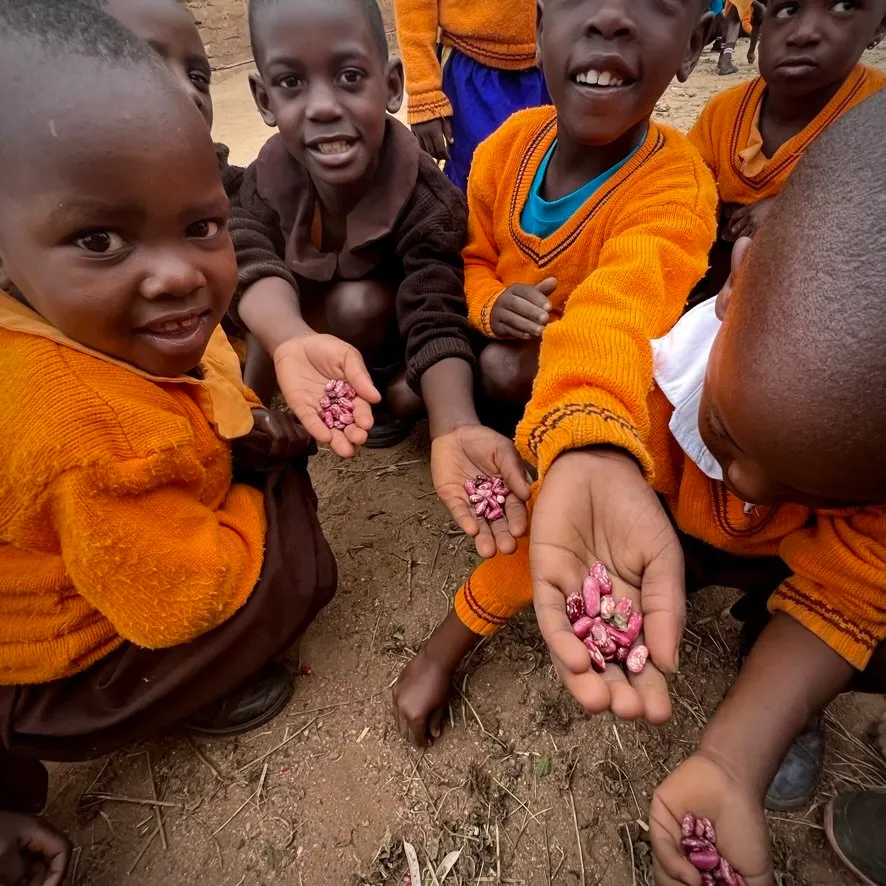
The school is self-sustained. We do not get any facilitation from anywhere, so we cultivate our own crops for food: maize, beans, cassava, potatoes, matooke and vegetables. Still, we need labourers, since our children are too young.
Our village Kisuna is always affected by dry spells. These infants cannot carry water over long distances, so I found it wise to buy two water tanks to harvest rainwater — but it was not enough for the whole institution. I committed myself to take a loan to dig a permanent deep well to solve the water problem. We are hopeful that by the end of 2026 we will have cleared the loan of 10 million UGX (about €2,500).
Our locality basically has peasants, some are widows or single parents. Their only income comes from growing crops; a season takes six months to harvest and sell the produce, and most of them fail to pay the small school fee, which we use to pay teachers and labourers and to buy stationery for teaching and learning.
Among the things we have done at school, we also constructed a cooking stove which saves fuel, protects the environment and saves resources.
The challenges
- We need to seal the classrooms, because voices from other classrooms interrupt teaching and learning.
- Plastering the classrooms on the outside, to stop rain from penetrating the walls.
- Completing the latrines for maximum hygiene.
- We need swings, toys and games to brighten the children up and make them cheerful.
- The children lack shoes, which is dangerous for their health during the rainy season and when visiting the school latrines.
- First aid facilities, in case of injury or sickness.
- We need to construct a granary to keep our dry food — maize, beans — safe for longer.
- Fencing the school for security. Last term 85 kg of beans intended to feed the children were stolen, and we need to protect our crops from animals that eat and destroy them.
- If the poorest children could be sponsored it would be great. We have bright but underprivileged children, and I cannot afford to carry their burden. At the moment I am sponsoring five orphans.
Reproduced in Agnes’ own words; only spelling and punctuation have been tidied.